A Homeowner’s Tree Risk Checklist for Abilene
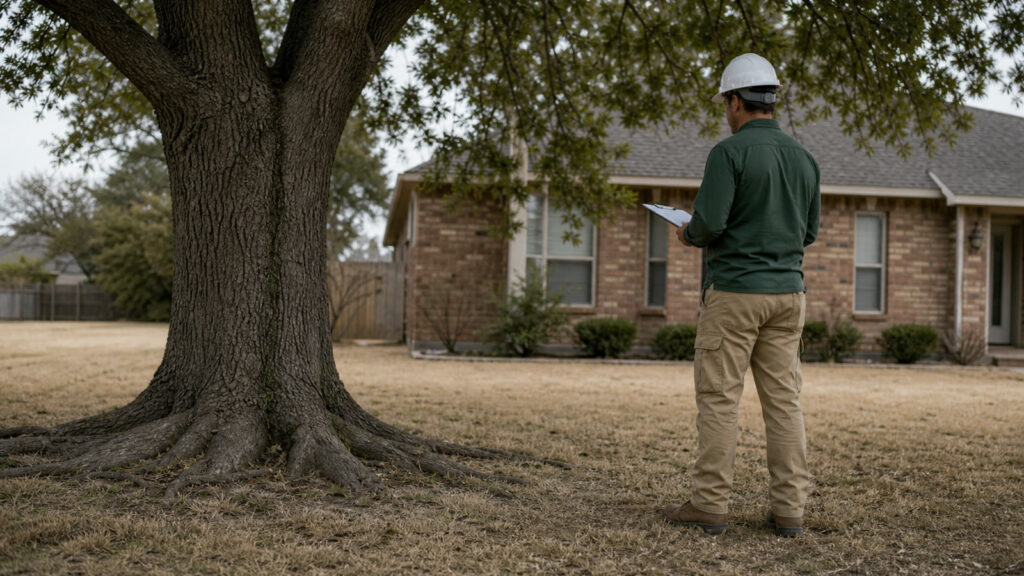
A useful tree-risk check looks at both the defect and the target: cracks, decay, lean, and dead limbs matter most where people, buildings, or vehicles could be struck.
Tree Branches Near Power Lines in Abilene: Safety Guide
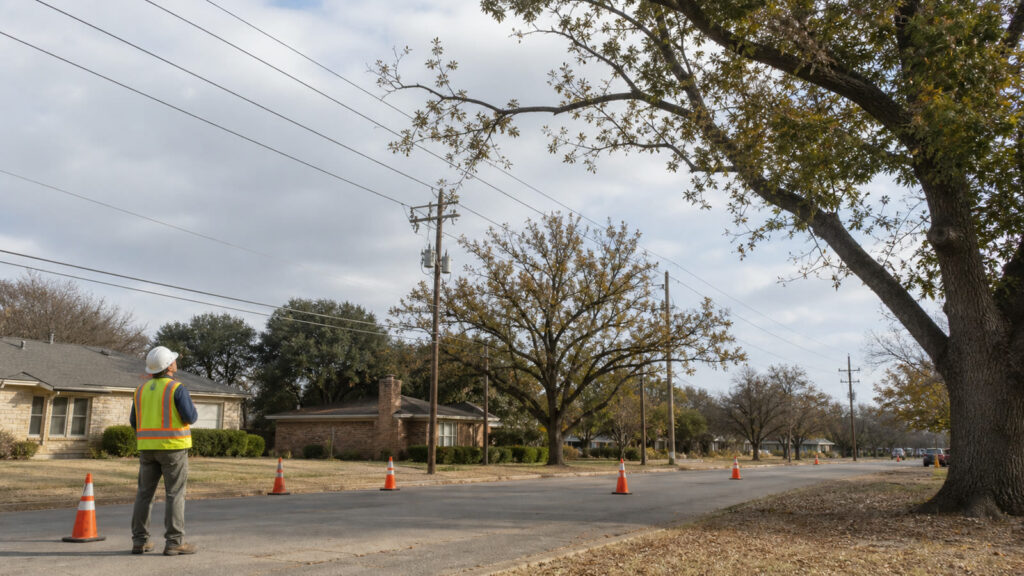
Never prune a branch that is touching or close to an energized line. Keep people and tools away and contact the utility or an appropriately qualified tree professional.
How to Manage Tree Limbs Over an Abilene Roof
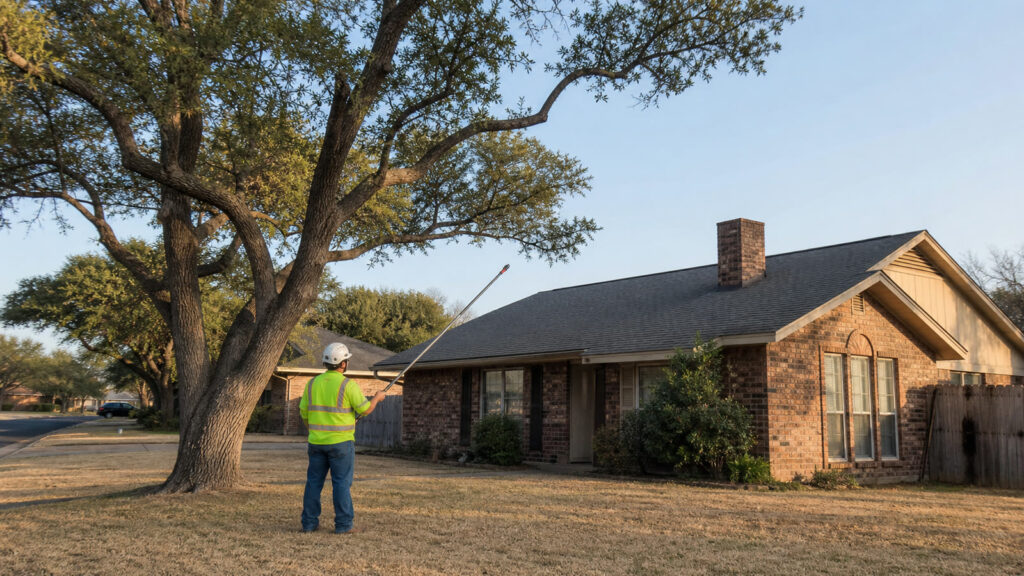
Roof clearance should reduce rubbing and obvious failure risk while preserving a balanced canopy; removing every limb over a roof can destabilize or disfigure the tree.
What Can You Plant After Stump Grinding in Abilene?
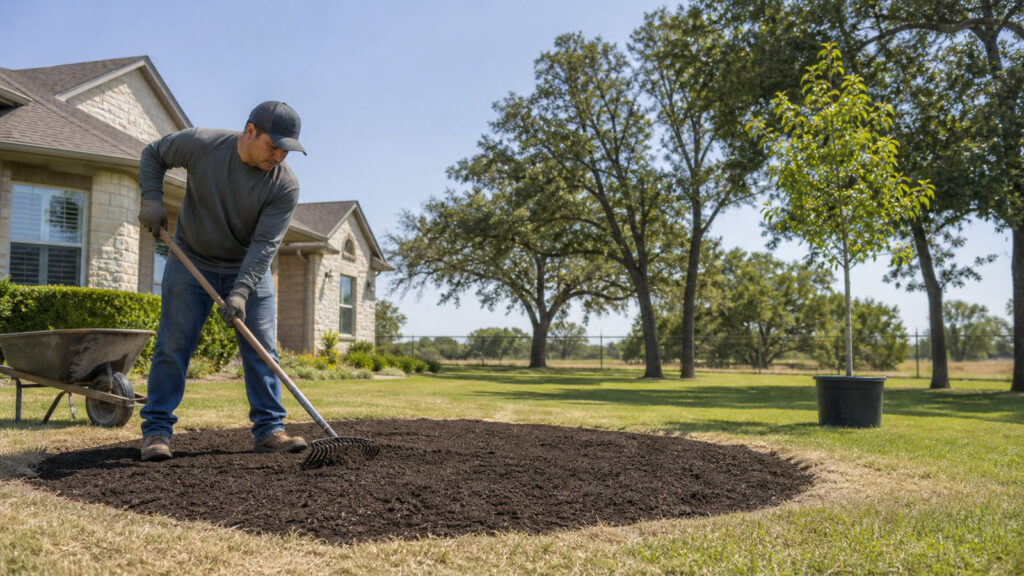
After grinding, remove excess wood chips, restore soil volume, and usually place a new tree away from the old root system rather than directly in the same hole.
Can Tree Roots Damage Foundations in Abilene?
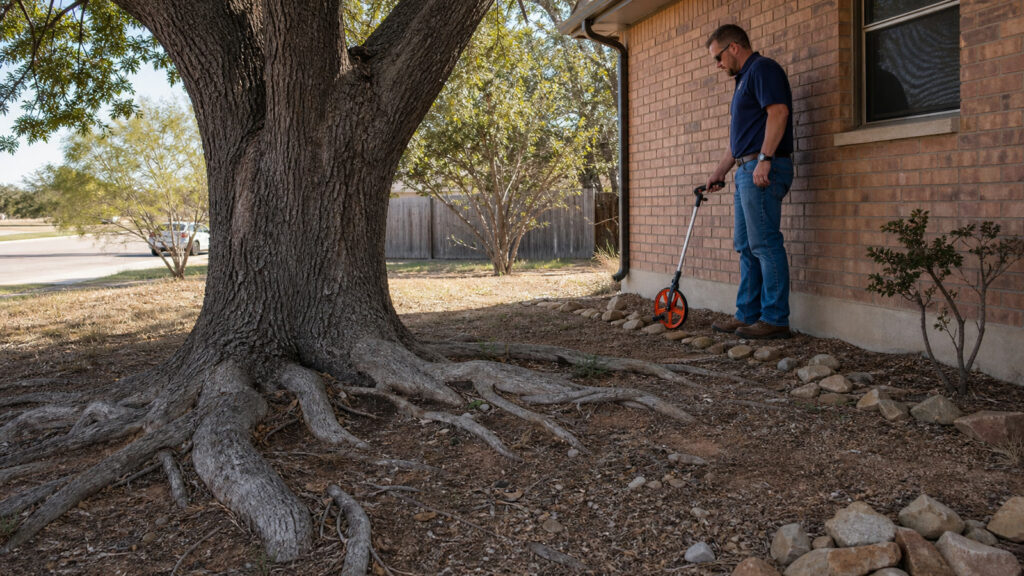
Roots and foundations interact through soil, moisture, distance, and existing defects; visible roots alone do not prove that a tree caused structural damage.
Stump Grinding vs. Stump Removal in Abilene
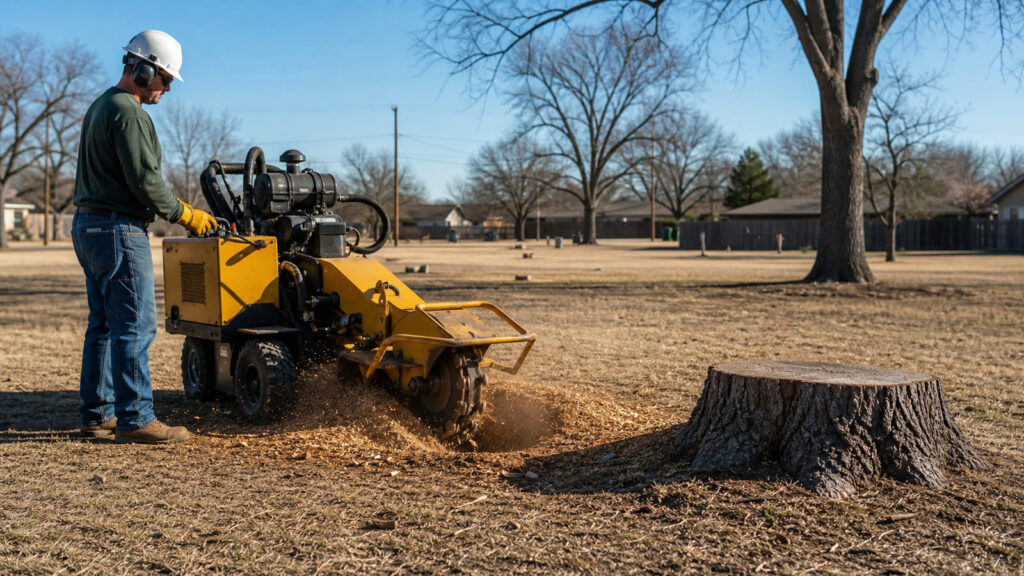
Stump grinding is usually the less disruptive way to reclaim surface space, while full removal may suit construction or utility work that requires the root mass gone.
What to Do When a Tree Falls on Your Abilene Property
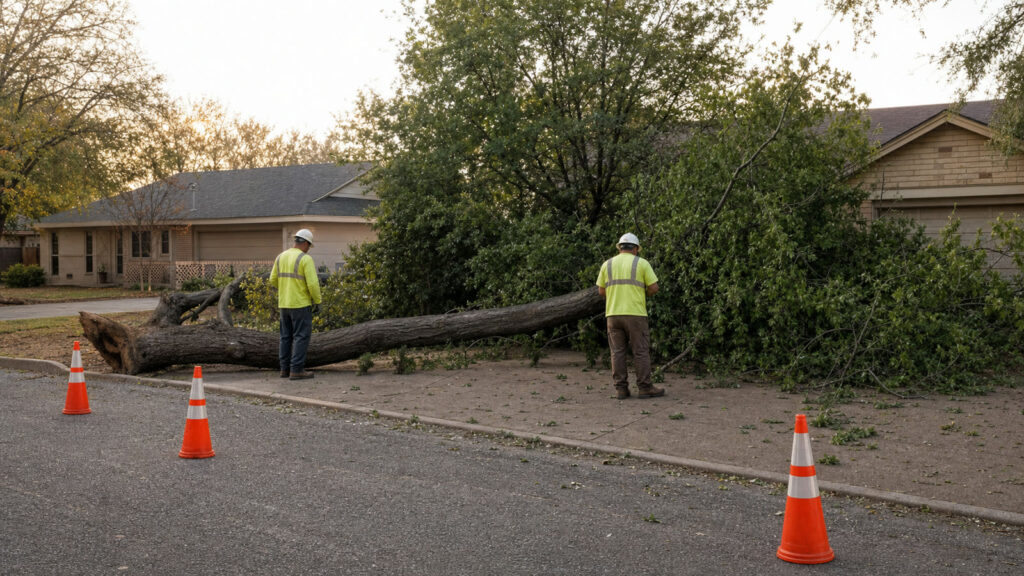
When a tree falls, secure the area first, contact emergency services or the utility when appropriate, document damage, and avoid cutting wood under tension yourself.
Lightning-Damaged Trees in Abilene: Remove or Monitor?
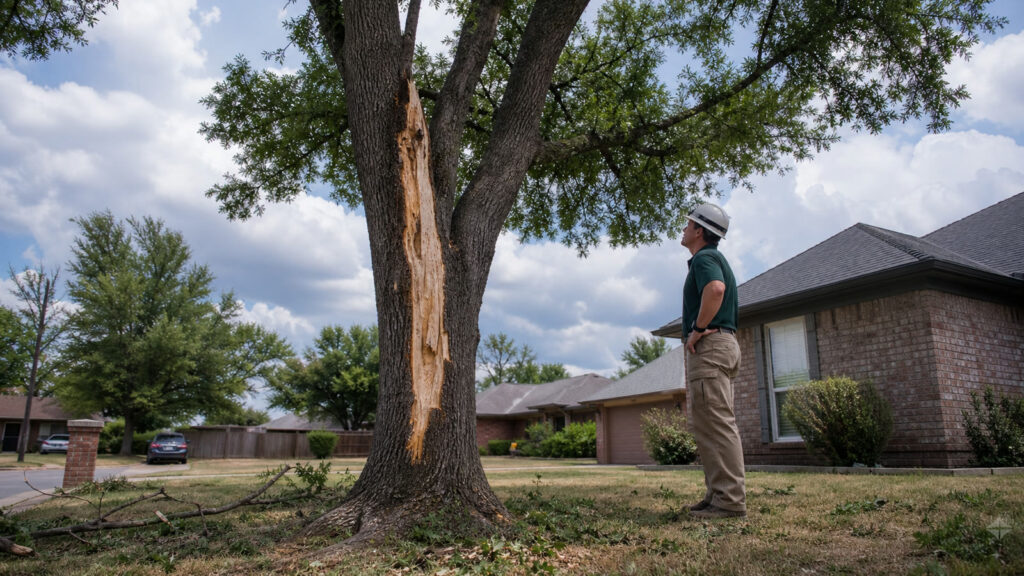
A lightning-struck tree is not automatically a removal, but exposed wood, split stems, crown loss, and declining foliage require prompt assessment and follow-up monitoring.
How to Assess Tree Damage After an Abilene Storm
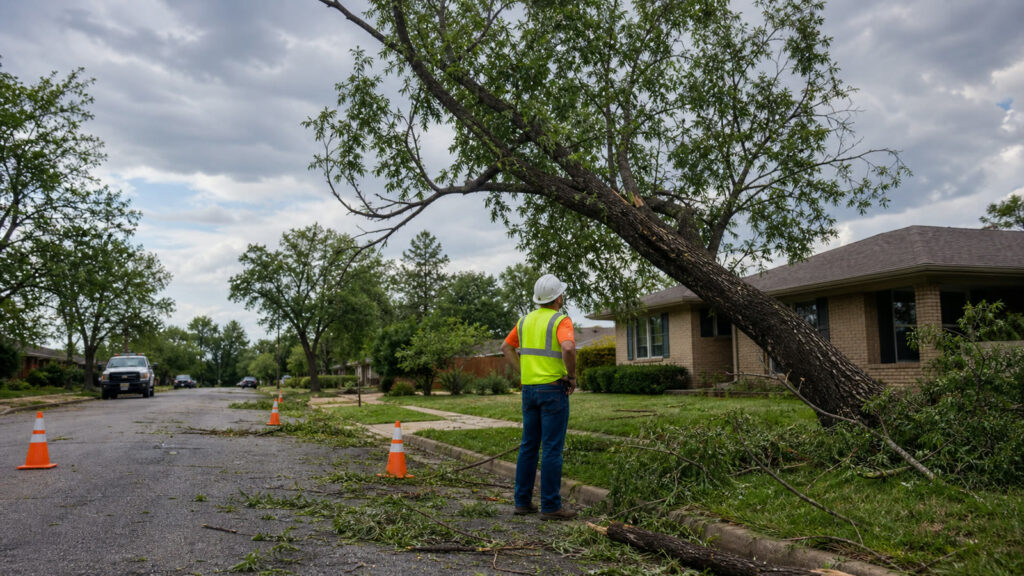
After a storm, keep people away from the tree, look for electrical hazards, and have unstable trunks, roots, and hanging limbs assessed before cleanup begins.
Cedar Elm Care in Abilene: A Practical Homeowner Guide
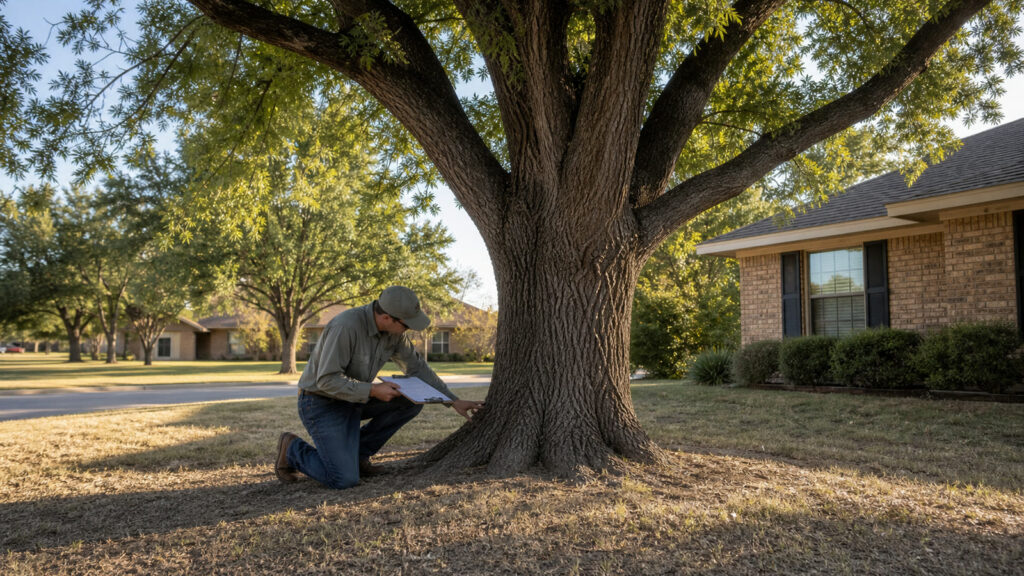
Cedar elms generally benefit from deep watering during prolonged dry periods, mulch kept off the trunk, and periodic inspection for weak attachments or dieback.