How Far Should Abilene Trees Be From Homes, Fences, and Utilities?
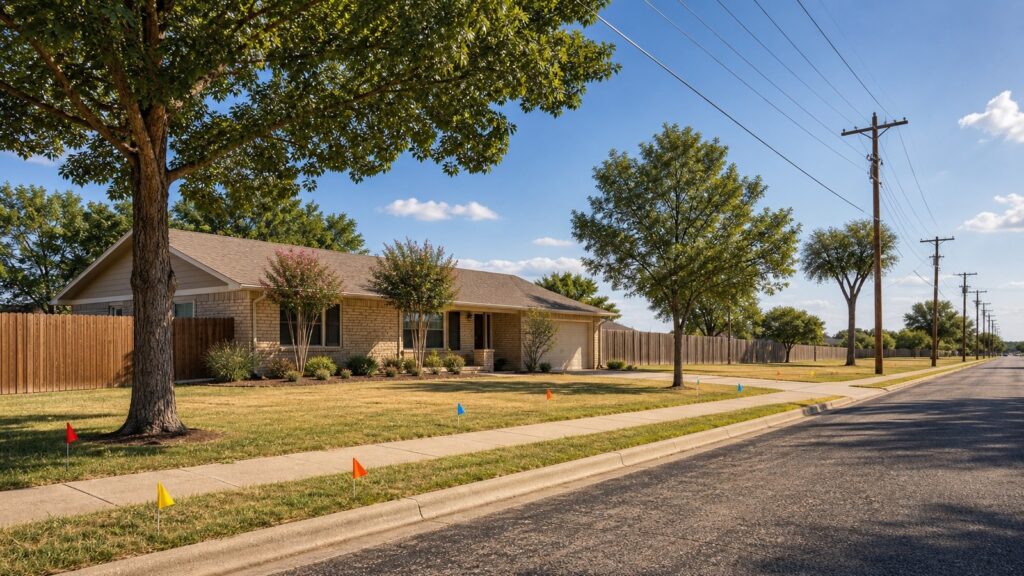
There is no universal tree setback. Plan with mature canopy and root dimensions, site constraints, utility rules, access, and long-term maintenance in mind.
Abilene Tree Debris Options After Pruning or Removal
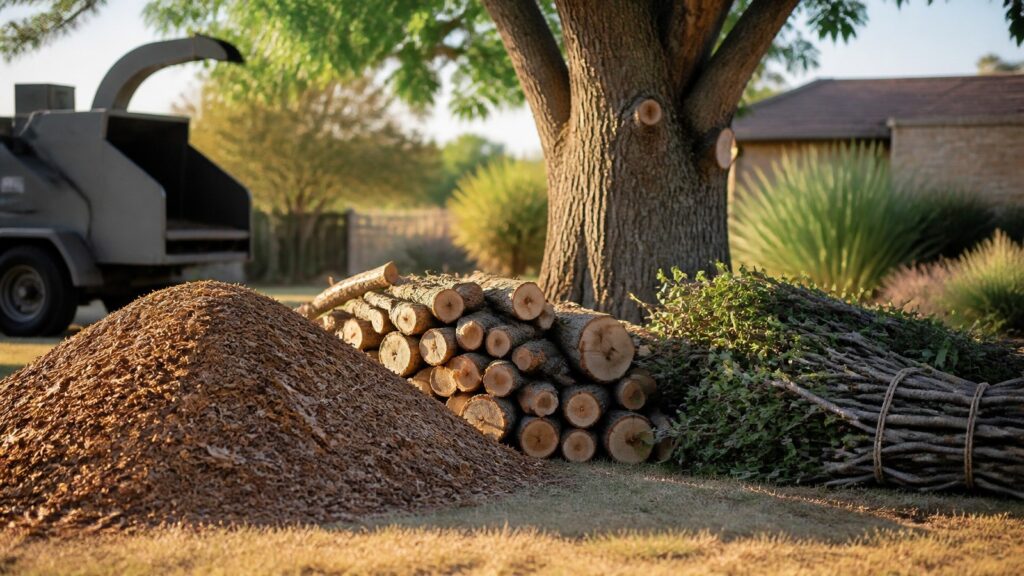
Decide before work whether branches, chips, logs, and stump grindings will be reused, staged, or hauled away—and put each choice in the written scope.
Soil Compaction Around Abilene Trees: Driveways, Parking, and Construction
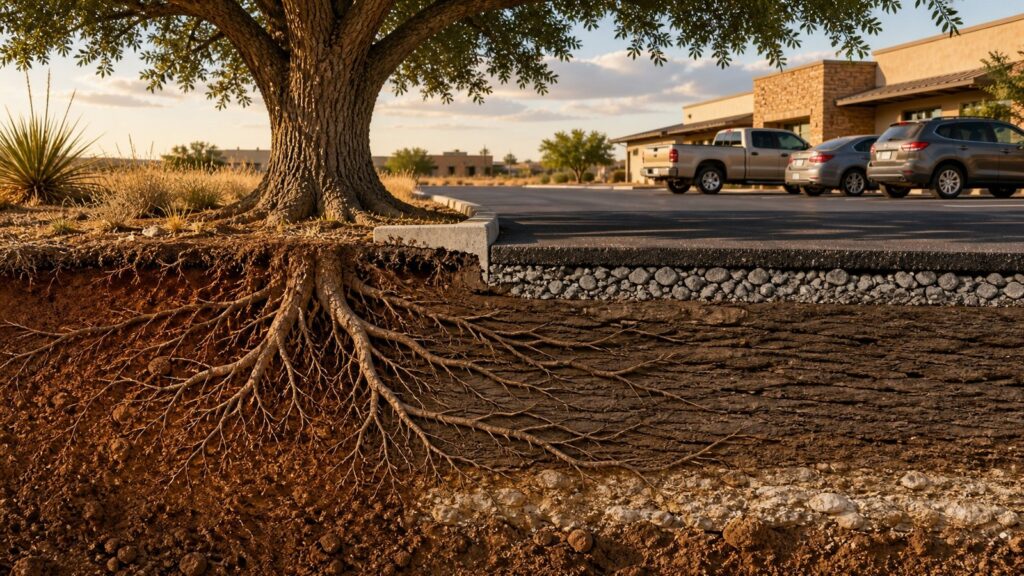
Compacted soil can quietly restrict air, water, and root growth. Use visible clues and a site-specific protection plan before driving or building near trees.
Tree Removal Permits and Property-Line Questions in Abilene
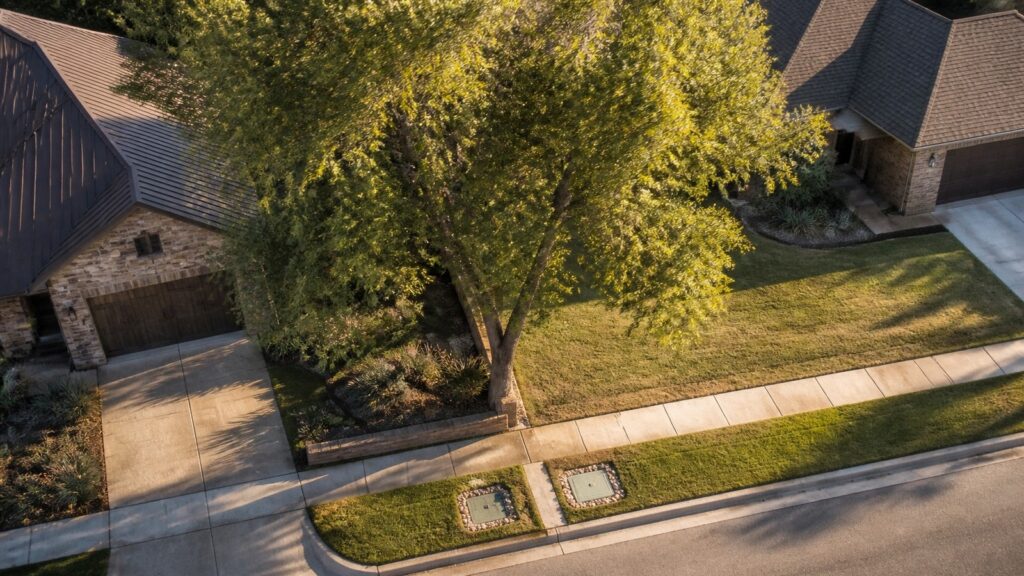
Before removing or trimming a tree, confirm the boundary, easements, current City requirements, utility coordination, and who can authorize the work.
Why Trees Fail in West Texas Wind Even Without a Tornado
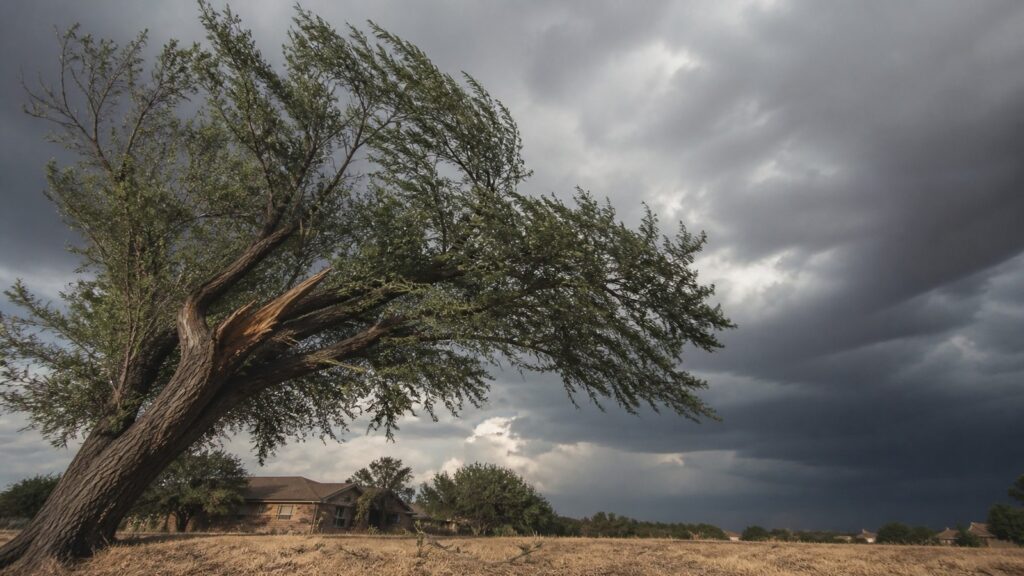
Straight-line wind can expose hidden branch, trunk, and root weaknesses. Learn which defects matter, how pruning helps, and when cracks need prompt inspection.
Questions to Ask Before Hiring a Tree Service in Abilene
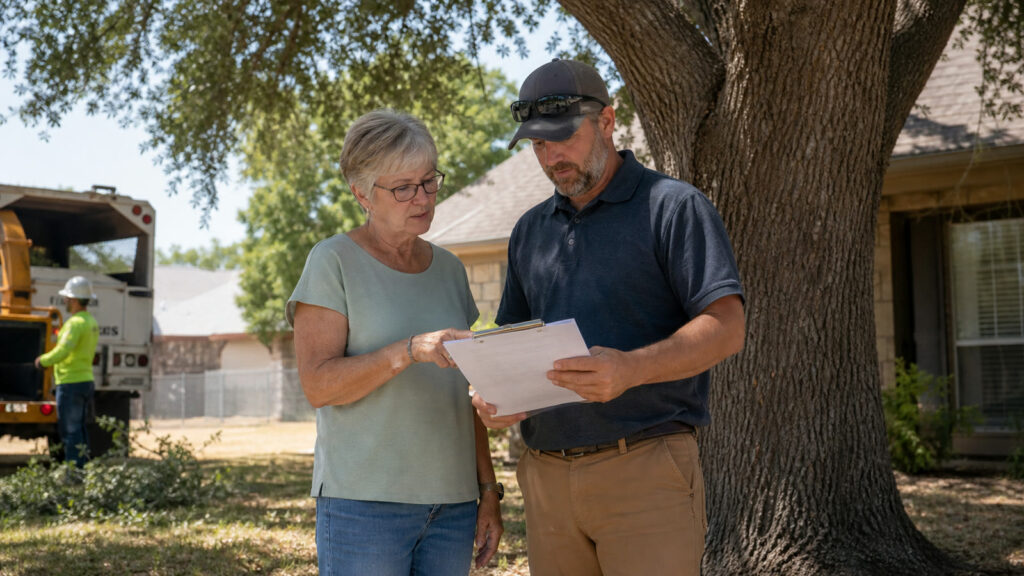
Ask for a written scope, proof of current insurance, the work method, debris and stump details, scheduling terms, and who will be responsible for utility or permit coordination.
What Happens During a Professional Tree Removal in Abilene?
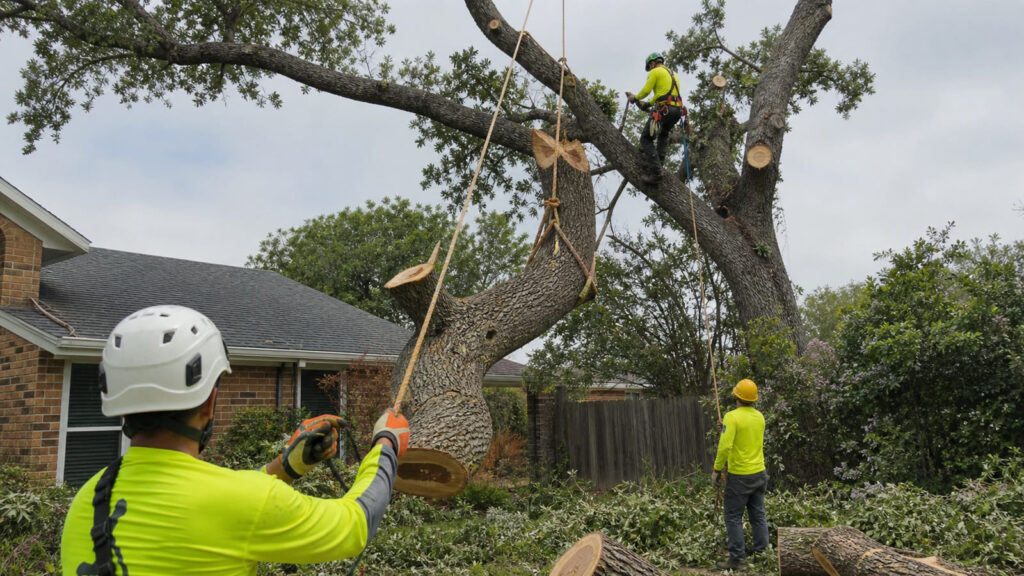
A professional removal typically includes a site briefing, work-zone setup, controlled dismantling or felling, debris handling, and a final walk-through based on the agreed scope.
New Abilene Homeowner Tree Inspection Checklist
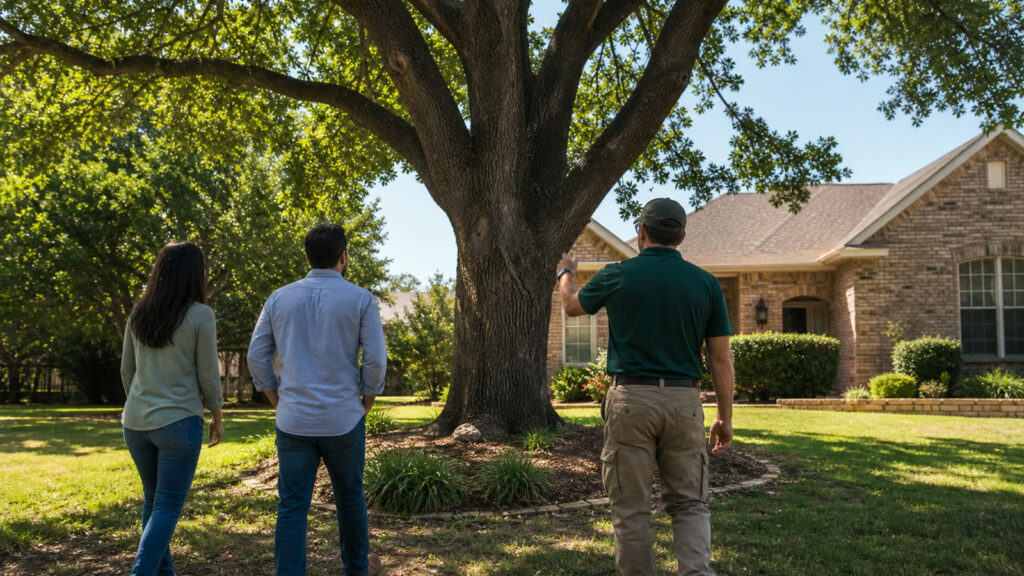
New homeowners should map large trees, photograph current condition, check trunks and root zones, and note limbs over roofs, drives, play areas, or utility corridors.
How to Prepare Your Abilene Yard for Tree Service
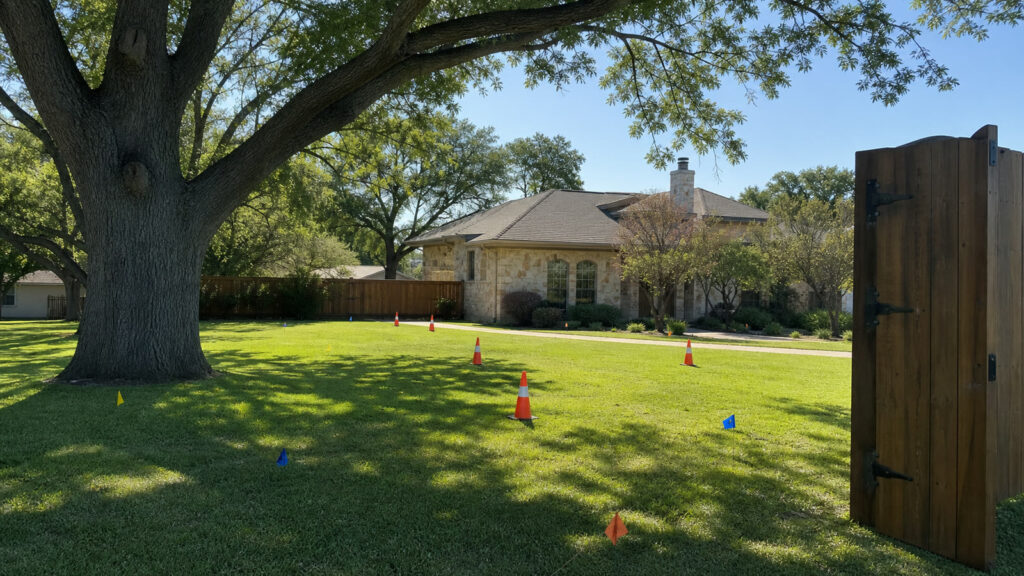
Before tree work, move vehicles and fragile items, identify gates and irrigation, keep pets inside, and confirm the agreed work area and debris plan.
Tree Care for Abilene Retail and Parking Lots
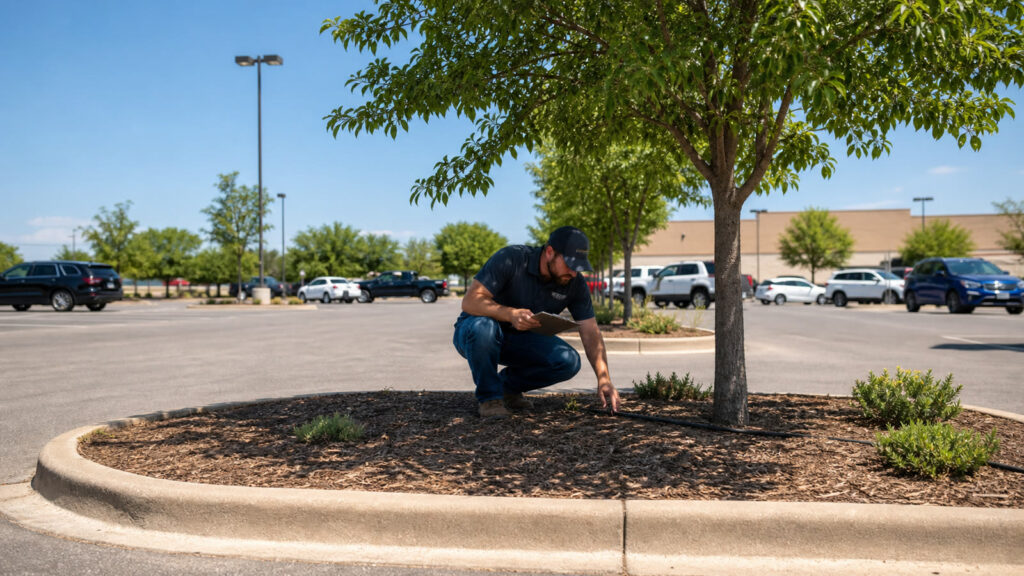
Parking-lot trees need adequate soil volume, protection from vehicle damage, clearance for signs and lights, and irrigation checks that account for reflected heat.